For professionals
For doctors and therapists
I practice neurofeedback and biofeedback in Neuchâtel, alongside your care, with adults, adolescents and children from age 2. Your patient books their first consultation themselves, or you write to me directly.
Referring a patient
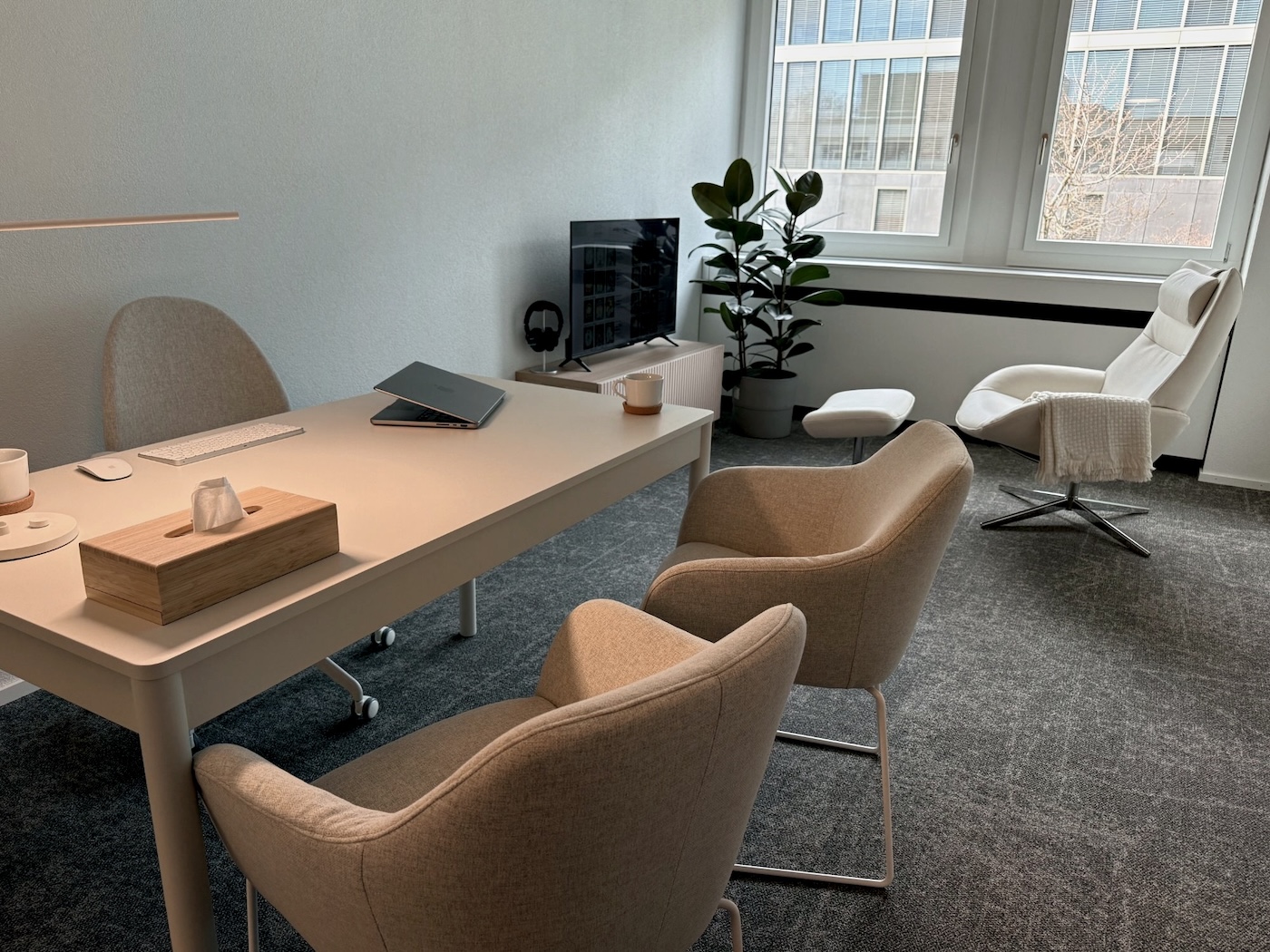
Your patient books their own first consultation, one hour at the practice, on the page Book an appointment. I see patients every day, including weekends and evenings, in the kuia building at Rue du Puits-Godet 8, Neuchâtel. Home sessions in Zurich are possible on request.
At every session I record the signals we train and adjust the training plan from those data. On request, and with your patient's consent, I send you a short report.
Recognized by ASCA and RME: reimbursement possible through supplementary insurance, depending on the policy. When an insurer requires a prescription, it reads "Biofeedback, RME method 37". The Insurance page shows which insurers require it.
Qualifications and registers
PhD
PhD in systems biology. Fifteen years of academic and industry research, including startups, in the United States and in Europe. Publications on ORCID.
I-NFBF
Trained in neurofeedback and biofeedback at the Institute for Neurofeedback and Biofeedback AG.

Member of the ISNR (International Society for Neuroregulation and Research) for 2026.


Recognized by ASCA and RME; at RME, biofeedback is method no. 37.
Recommended by
"Dimitris brings a rare combination of scientific rigor, deep clinical thinking, and genuine care to his work. He approaches each case with exceptional depth and precision, using measurements in a highly individualized way and translating complex physiology into clear, clinically meaningful next steps. His work reflects a level of rigor, maturity, and personalization that is truly rare in clinical practice."

Indications by level of evidence
The level of evidence for each indication is calculated from published randomized trials, by the same rule for every method. Established: at least two independent teams have shown a benefit over sham training. Good: one trial has shown a benefit over sham training, or two independent teams have shown one against another treatment or against a no-training group (waiting list or usual care). Promising: one randomized trial has shown a benefit over its comparison group. The codes in parentheses are ICD-11 codes.
Frequency-band neurofeedback trains the amplitude of an EEG rhythm: the sensorimotor rhythm (SMR, 12 to 15 Hz), alpha (8 to 12 Hz) or the ratio of theta to beta. Slow cortical potentials are shifts in the electrical potential of the cortex lasting a few hundred milliseconds up to a few seconds. Low-frequency neurofeedback trains the slowest fluctuations of the EEG, below about 0.1 Hz. In qEEG-guided neurofeedback (quantitative EEG), I choose the rhythm and the site from a whole-head recording compared with a normative database. In biofeedback, I measure heart rate variability (HRV biofeedback, with slow breathing at the rate that gives the largest swing in pulse), surface muscle activity (muscle or EMG biofeedback), the skin temperature of the fingers (thermal biofeedback) or skin conductance (skin-conductance biofeedback).
Established evidence
Mood and anxiety
(MB24). Frequency-band neurofeedback: established against sham training (Wang et al., 2013; Yu et al., 2020). HRV biofeedback: good against sham training (Ducharme et al., 2021), and promising against another treatment for irritability after mild traumatic brain injury (Lu et al., 2023).
In a study of people from a university community with elevated anxiety, self-reported anxiety on the General Anxiety Disorder Scale (GAD-7) fell by an average of 5.7 points with alpha-theta neurofeedback combined with guided imagery, versus 0.3 points in the control group receiving a placebo version of the training with prerecorded sounds, at the end of training. Study
In a study of 30 university students with depressive symptoms, mean self-reported depression severity on the Chinese beck depression inventory-II (BDI-II) fell at the end of training by 8.1 points with frequency-band neurofeedback and 3.5 points in the control group receiving brainwave measurement without feedback and an auditory signal-detecting task. Study
In a study of 49 adults with mild traumatic brain injury, mean self-reported Checklist of Post-concussion Symptoms (CPCS) scores fell after treatment by 13 points with combined diaphragmatic breathing, paced breathing and heart-rate-variability biofeedback alongside standard medical care, versus 0.5 points in the control group receiving standard medical care and post-brain injury psychoeducation. Study
In a study of 60 female nursing students, mean self-reported State Anxiety Scale from the State-Trait Anxiety Inventory (STAI) scores five weeks after the initial survey fell by 4.9 points with heart-rate-variability biofeedback using slower breathing and positive emotions. Scores rose by 2.6 points in the control group receiving no training or device. Study
Attention, concentration and memory
(MB21). Frequency-band neurofeedback: established against sham training (Lee et al., 2015), and established for memory (Guez et al., 2015; Tseng et al., 2021; Rozengurt et al., 2023). Difficulty concentrating (MB21.A): low-frequency neurofeedback promising against a no-training group (Carlson et al., 2025); frequency-band neurofeedback promising against another treatment (Keith et al., 2015).
In a study of 87 patients with traumatic brain injury and cognitive impairment, community integration scores on the Community Integration Questionnaire-revised (CIQ-R) rose by 6.9 points with z-score neurofeedback alongside existing medication, versus 0.1 points in the control group receiving usual care, including clinic visits and medication, immediately after treatment. Study
In a study of 25 stroke patients with hemiplegia and reduced cognitive function, both groups received rehabilitation/general exercise. After training, mean dual-task walking velocity on the 10-m walk test, assessed by a therapist blind to group assignment, rose 3 m/min with added frequency-band neurofeedback and fell 1 m/min in the control group receiving a placebo version of the training. Study
Mental and behavioral symptoms
(MB20-MB2Y), the ICD-11 group that brings mood, anxiety, attention and memory together with impulsivity, aggression and eating behavior. Frequency-band neurofeedback: established against sham training (Wang et al., 2013; Lee et al., 2015; Dashbozorgi et al., 2021). Low-frequency neurofeedback: established against sham training (Annaheim et al., 2022; Esmaeilzadeh Kanafgourabi et al., 2025). HRV biofeedback: good against sham training (Ducharme et al., 2021). Slow cortical potentials: good against sham training (Corominas-Roso et al., 2020).
Cerebrovascular disease, including the aftereffects of stroke
(8B00-8B2Z, 8B25). Muscle biofeedback (surface EMG): established against sham training (Crow et al., 1989; Armagan et al., 2003; Lirio-Romero et al., 2021). Frequency-band neurofeedback: good against sham training (He et al., 2025) and against another treatment (Ang et al., 2009; Lu et al., 2025).
In a study of 101 first-ever ischaemic stroke patients without voluntary finger extension, mean Action Research Arm Test (ARAT) scores, assessed by blinded trained observers, rose from baseline by 15.2 points with muscle biofeedback combined with electromyography-triggered neuromuscular stimulation versus 14.9 points in the control group receiving usual care, at 26 weeks after stroke. Study
In a study of 60 stroke survivors with unilateral limb paralysis, mean upper limb Fugl-Meyer assessment (FMA) scores from patient records rose by 22 points with muscle biofeedback plus neuromuscular electrical stimulation and conventional rehabilitation, versus 15 points in the control group receiving conventional rehabilitation alone, eight weeks after treatment. Study
Good evidence
ADHD and neurodevelopmental disorders
(6A05, 6A00-6A0Z). ADHD: frequency-band neurofeedback (theta/beta, SMR) good against sham training (Geladé et al., 2017; Moreno-García et al., 2019; Ning and Wang, 2021; Rahmani et al., 2022; Roy et al., 2022; Kwon et al., 2024), including in children who also have a coordination disorder (Norouzi et al., 2018); slow cortical potentials (Gevensleben et al., 2014; Strehl et al., 2017), qEEG-guided neurofeedback (Bazanova et al., 2018) and skin-conductance biofeedback (Salomone et al., 2015) promising against another treatment. For neurodevelopmental disorders as a whole, the evidence is good for frequency-band neurofeedback (Dashbozorgi et al., 2021; Kwon et al., 2024; Kang et al., 2026) and for qEEG-guided neurofeedback (Bazanova et al., 2018) against sham training, and for slow cortical potentials (Leins et al., 2007; Liechti et al., 2012; Konicar et al., 2021) and skin-conductance biofeedback (O'Connell et al., 2008; Kouijzer et al., 2013) against another treatment. The evidence is promising for muscle biofeedback against another treatment (Barth et al., 2017).
In a study of children with attention deficit hyperactivity disorder, mothers rated their children's symptoms using the Short and Revised Questionnaire of Conner's Rating Scale for Parents (CPRS). Mean scores fell by 22 points with frequency-band neurofeedback and did not change in the control group receiving no neurofeedback, one or several days after training. Study
In a study of 112 children and adolescents with attention deficit hyperactivity disorder, mean parent-rated total symptom scores on the Parent and Teacher Rating Scale-IV (ADHD-RS-IV) fell by 26 points at week 12 with combined neurofeedback and vitamin D3, compared with 1.1 points in the control group receiving no treatment. Study
Autism
(6A02). Frequency-band neurofeedback: good against sham training (Kang et al., 2026). Low-frequency neurofeedback: good against sham training for impulse control in autistic adolescents (Esmaeilzadeh Kanafgourabi et al., 2025). Slow cortical potentials: good against another treatment, for neurodevelopmental disorders as a whole (Konicar et al., 2021).
In a study of 86 children with high-functioning autism, mean autism symptom scores on the Autism Treatment Evaluation Checklist (ATEC) fell by 40 points with frequency-band neurofeedback plus learning style profile training, compared with 19 points in the control group receiving learning style profile training, at treatment end. Study
In a study of 41 adolescent boys with autism, parent- or guardian-rated Social Responsiveness Scale (SRS) scores for social communication and interaction difficulties fell by a 21 points with slow cortical potential neurofeedback and 14 points in the control group receiving usual clinical counselling, from before training to its end. Study
In a study of children with autism, mean Speech/Language Communication scores on the Autism Treatment Evaluation Checklist (ATEC) fell by 4 points with frequency-band neurofeedback at study completion. Scores did not change in the control group, which was offered neurofeedback after the comparison period. Study
Headache
(8A80-8A8Z). Tension-type headache (8A81): muscle biofeedback good against another treatment (Bruhn et al., 1979; Reich, 1989; Arena et al., 1995); skin-conductance biofeedback promising against another treatment (Collet et al., 1986). Primary headaches: frequency-band neurofeedback promising against another treatment (Moshkani Farahani et al., 2014). Post-traumatic headache: low-frequency neurofeedback promising against a no-training group (Carlson et al., 2025). Migraine (8A80): thermal biofeedback promising against a no-training group (Blanchard et al., 1991).
In a study of 375 adults with mixed migraine and muscle contraction headache, the patient-rated average weekly headache index fell by 6 points with combined electromyographic and temperature regulation biofeedback plus propranolol and amitriptyline, versus 1.5 points in the control group receiving ergotamine and analgesics. These changes compare pretreatment with averages during treatment months four to six. Study
In a study of 31 patients with tension headaches, patients rated headache intensity in a daily headache log. By the end of treatment, mean headache intensity fell by 1.1 points with skin-conductance biofeedback and by 0.3 points in the control group receiving Schultz relaxation. Study
In a study of 22 women with migraine, headache intensity was recorded daily by patients using the headache form. At follow-up, mean five-week totals fell by 109 points with thermal biofeedback and rose by 23 points in the control group waiting for treatment. Study
In a study of adults with migraine who initially responded to treatment, migraine resurgence over the year after treatment was 82% lower with combined electromyographic and thermal biofeedback, diaphragmatic breathing and systematic relaxation than in the control group given propranolol. Assessment used the Headache unit index (HUI), patients' daily headache records and adjudication by observers unaware of treatment assignments. Study
Pain
(MG30-MG3Z, MG20-MG4Y). Frequency-band neurofeedback: good against another treatment for pain (Kayiran et al., 2010; Jensen et al., 2014; Wu et al., 2021; Mussigmann et al., 2025), and for chronic primary pain as a group (Kayiran et al., 2010; Wu et al., 2021); promising against another treatment for fibromyalgia, or chronic widespread pain (Kayiran et al., 2010). Muscle biofeedback: good against another treatment for pain, including acute labor pain and pain during rehabilitation after knee replacement (Duchene, 1989; Wang et al., 2015). HRV biofeedback: good against another treatment for the group of general symptoms, which contains pain, in trials on chronic pain (Berry et al., 2014) and on menopausal symptoms after breast cancer (Dolgilevica et al., 2025). Promising against a no-training group: muscle biofeedback (Baumueller et al., 2017) and HRV biofeedback (Carta et al., 2024) in fibromyalgia, and frequency-band neurofeedback in pain after cancer treatment (Prinsloo et al., 2017).
In a study of 40 female outpatients with fibromyalgia, mean pain intensity on the Visual Analogue Scale (VAS) for pain fell by 7.3 points with frequency-band neurofeedback and by 4.4 points in the control group receiving escitalopram. This was measured four weeks after baseline, as neurofeedback ended and escitalopram treatment continued. Study
In a study of 64 children and teenagers with recurrent abdominal pain, participants reported pain elimination using the Child's Pain Diary (CPD), Visual Analog Scale (VAS). After treatment, this occurred in 72% receiving combined thermal biofeedback and dietary fibre programmes, with or without cognitive-behavioural interventions and parental support, versus 7% in the control group receiving dietary fibre only. Study
Back, neck and shoulder
(FA70-FB1Z, ME80-ME8Y, FB30-FB6Z). Muscle biofeedback: good against another treatment for spinal conditions (Hasenbring et al., 1999; Sardaru et al., 2018), for musculoskeletal pain of the back, neck and shoulders (Ma et al., 2011; Haines and Bowles, 2017) and for soft tissue disorders, including diastasis recti after childbirth (Ma et al., 2011; He et al., 2024). Muscle biofeedback: promising against another treatment in chronic low back pain (Donaldson et al., 1994) and rotator cuff pain (Dos Santos et al., 2025). HRV biofeedback: promising against a no-training group in stress-related neck pain (Hallman et al., 2011).
In a study of 30 patients with chronic low-back pain, mean patient-rated pain on the 0 to 10 pain scale was assessed at the end of the second treatment week. It fell by 1.3 points with the Comprehensive Pain and Rehabilitation Center programme plus muscle biofeedback and did not change in the control group receiving the programme alone. Study
In a study of 36 people with chronic low back pain, self-reported pain during movement on a visual analogue scale (VAS) fell by 62% with Single Motor Unit Biofeedback Training using muscle biofeedback, compared with 7% in the control group receiving back-pain education. Pain was assessed within seven days after treatment. Study
In a study of 24 patients with chronic lower back or neck pain, patients' pain on the follow-up questionnaire fell by an average of 68% with muscle biofeedback plus conventional medical treatment at the 2.5-year follow-up. The pooled control group receiving the same medical treatment, with or without a placebo version of the training, reported a 14% fall. Study
In a study of adults with subacromial pain syndrome, self-rated shoulder pain over the past 24 hours was measured with the Numeric Pain Rating Scale (NPRS). At eight-week follow-up, mean ratings fell by 2.1 points with shoulder exercises combined with muscle biofeedback and by 1 point in the control group receiving shoulder exercises without muscle biofeedback. Study
Stress
(QD50-QF2Z, the group of factors influencing health status, which contains stress and burnout). Frequency-band neurofeedback: good against sham training (Lee et al., 2024).
Post-traumatic stress and stress-related disorders
(6B40-6B4Z). Frequency-band neurofeedback: good against sham training (Ros et al., 2017; Nicholson et al., 2020; Nicholson et al., 2023), and promising against a no-training group in chronic post-traumatic stress (van der Kolk et al., 2016). Low-frequency neurofeedback: good against sham training (Winkeler et al., 2022).
In a study of 40 people with post-traumatic stress disorder, mean scores on the clinician-administered post-traumatic stress disorder scale (CAPS) fell after training by 13 points with frequency-band neurofeedback and by 7.2 points in the control group receiving a placebo version of the training. Study
In a study of 26 adult refugees with chronic post-traumatic stress disorder, self-reported Harvard Trauma Questionnaire (HTQ) symptom scores fell after treatment by an average of 0.9 points with frequency-band neurofeedback combined with trauma counselling, compared with 0.1 points in the control group receiving trauma counselling alone. Study
In a study of 22 adults with post-traumatic stress disorder, alpha-theta neurofeedback was combined with Mentalizing the Rooms of Mind psychotherapy. At week eight, the trained group had a mean Clinical Global Impression-Improvement Scale (CGI-I) rating 1.5 points lower than the waitlist control group, which continued usual treatment. Study
Obsessive-compulsive disorder
(6B20). qEEG-guided neurofeedback: good against sham training (Kopřivová et al., 2013). Frequency-band neurofeedback: promising against a no-training group (Deng et al., 2014).
In a study of 20 inpatients with obsessive-compulsive disorder, a trained psychiatrist rated compulsions using the Yale-Brown Obsessive Compulsive Scale (Y-BOCS). At treatment end, scores fell by a median 56% with inpatient cognitive-behavioural therapy plus quantitative brainwave-guided neurofeedback, versus 21% in the control group receiving the same therapy plus a placebo version of the training. Study
In a study of 79 people with obsessive-compulsive disorder, both groups received sertraline and cognitive behavioural therapy. Completers' mean Chinese-version Yale Brown Obsessive Compulsive Scale (YBOCS) ratings by a psychiatrist blind to treatment status fell by 14 points with added frequency-band neurofeedback versus 13 points in the control group at the end of week eight. Study
Impulsivity, aggression and agitation
(MB28.5, MB23, MB24.F). Frequency-band neurofeedback: good against sham training (Dashbozorgi et al., 2021; Li et al., 2024). Slow cortical potentials: good against sham training for impulsivity (Corominas-Roso et al., 2020).
In a study of 80 male inpatients with schizophrenia and impulsive behaviour, Positive and Negative Syndrome Scale five-factor model (PANSS-5F) scores fell from baseline at week six by 16 points with risperidone plus frequency-band neurofeedback, compared with 6.4 points in the control group receiving risperidone plus a placebo version of the training. Study
Eating disorders
(6B80-6B8Z). Low-frequency neurofeedback: good against sham training for anorexia, bulimia and binge eating disorder (Winkeler et al., 2022). Frequency-band neurofeedback: promising against another treatment for anorexia (Lackner et al., 2016) and binge eating (Schmidt and Martin, 2016).
Addiction
(6C40-6C5Z). Frequency-band neurofeedback: good against sham training for nicotine dependence (Bu et al., 2019; Meng et al., 2023), and promising against a no-training group for stimulant dependence (Fadaei et al., 2025). HRV biofeedback: good against a no-training group, in trials on alcohol and methamphetamine use disorders (Teeravisutkul et al., 2019; Yen et al., 2022). Muscle biofeedback: good against sham training for cannabis use (Lamontagne et al., 1977).
In a study of 64 men with methamphetamine use disorder, heart-rate-variability biofeedback was combined with cognitive behavioural group psychotherapy. Immediately after treatment, mean participant-rated craving on the Visual Analog Craving Scale (VACS) fell 11 points with the combined treatment and rose 3.2 points in the control group receiving the same psychotherapy. Study
Knee, hip and joints
(FA00-FA5Z, NC90-NC9Z). Muscle biofeedback: good against another treatment for knee osteoarthritis (Choi et al., 2015; Raeissadat et al., 2018), for joint disorders, including juvenile arthritis, and for rehabilitation after hip replacement (Temfemo et al., 2008; Eid et al., 2016; Preece et al., 2026), and for rehabilitation after anterior cruciate ligament reconstruction (Draper, 1990; Draper and Ballard, 1991).
In a study of 30 older women with knee osteoarthritis, patients rated pain at rest using the Visual Analogue Scale (VAS). At the end of training, mean pain ratings fell by 1.9 cm with isometric exercise plus muscle biofeedback, compared with 0.4 cm in the control group receiving conventional physical therapy. Study
Parkinson's disease, involuntary movements and tics
(8A00-8A0Z). Frequency-band neurofeedback: good against sham training for balance in Parkinson's disease (Azarpaikan et al., 2014). Muscle biofeedback: good against sham training in tardive dyskinesia, with its involuntary movements of the mouth and tongue (Fudge et al., 1991). Slow cortical potentials: promising against another treatment for tics (Gevensleben et al., 2014).
Multiple sclerosis
(8A40-8A4Z). Muscle biofeedback: good against sham training (Miri et al., 2025).
In a study of 35 people with multiple sclerosis and knee pain, an evaluator aware of group assignment measured quadriceps strength using a dynamometer. At six weeks after baseline, strength rose 53% with muscle biofeedback, isometric exercise and moist heat, versus 21% in the control group receiving a placebo version of the training with the same exercise and heat. Study
Cranial and peripheral nerve disorders
(8B80-8C4Z). Muscle biofeedback: good against another treatment, to prevent synkinesis after facial palsy and for shoulder function after accessory nerve injury (Pourmomeny et al., 2014; Chen et al., 2022).
Swallowing disorders
(MD93). Muscle biofeedback: good against a no-training group in dysphagia after stroke (Nordio et al., 2022; Alyanak et al., 2025).
In a study of 34 adults with swallowing difficulties after stroke, blinded researcher ratings on the Penetration Aspiration Scale (PAS) for semisolid foods fell by a median 1.5 points immediately after combined game-based muscle biofeedback, swallowing and oral exercises and thermal-tactile stimulation. Ratings did not change in the control group receiving the same exercises and stimulation with verbal feedback. Study
Epilepsy
(8A60-8A6Z). Skin-conductance biofeedback: good against sham training for seizure frequency in drug-resistant epilepsy (Nagai et al., 2004).
Depersonalization and derealization
(6B66). Skin-conductance biofeedback: good against sham training (Schoenberg et al., 2012).
Diseases of the lower respiratory tract, including asthma
(CA20-CA2Z). HRV biofeedback: good against sham training (Lehrer et al., 2004). Muscle biofeedback: good against sham training (Kotses et al., 1978).
In a study of 36 children with severe, chronic asthma receiving medication, camp staff measured peak expiratory flow rate (PEFR) with a Wright Peak Flow Meter. Mean breakfast PEFR rose by more than 10 L/min from the pretraining week to the final training week in 75% receiving muscle biofeedback versus 33% in the control group receiving a placebo version of the training. Study
Heart and blood pressure
(BA81-BA8Z, BD10-BD1Z, BA00-BA04). HRV biofeedback: good against another treatment in coronary artery disease (Yu et al., 2018; Shah et al., 2025); promising against another treatment in heart failure (Swanson et al., 2009) and hypertension (Alabdulgader, 2012). Skin-conductance biofeedback: promising against another treatment in hypertension (Patel et al., 1981).
In a study of 31 outpatients with essential hypertension, independent physicians in the hypertension clinic measured systolic blood pressure by sphygmomanometer. At follow-up, mean pressure fell by 17 mm Hg with blood-pressure biofeedback plus home blood-pressure self-monitoring, and rose by 3 mm Hg in the control group receiving home self-monitoring and clinic visits without biofeedback. Study
Raynaud's phenomenon
(BD42). Thermal biofeedback: good against another treatment (Freedman and Ianni, 1983; Freedman et al., 1988), and promising against a no-training group in secondary Raynaud's (Sporbeck et al., 2012).
Functional digestive disorders
(DD90-DD9Z, MD80-ME1Y). Muscle biofeedback: good against sham training for abdominal distension (Barba et al., 2017), and good against another treatment for functional dyspepsia and rumination syndrome (Schurman et al., 2010; Barba et al., 2016). HRV biofeedback: promising against another treatment in irritable bowel syndrome (Dobbin et al., 2013). Thermal biofeedback: promising against another treatment for chemotherapy-induced nausea (Burish and Jenkins, 1992).
In a study of 97 women with persistent irritable bowel syndrome, mean patient-reported Hospital Anxiety and Depression Score (HADS) totals at 24 weeks after treatment had fallen by 4.9 points with heart-rate-variability biofeedback plus conventional care versus 1.8 points in the control group receiving gut-directed hypnotherapy plus conventional care. Study
Promising evidence
Anxiety disorders
(6B00-6B0Z). Frequency-band neurofeedback and qEEG-guided neurofeedback: promising against a no-training group (Abdian et al., 2021). Muscle biofeedback: promising against a no-training group (Lavallée et al., 1977).
In a study of 30 college students with generalised anxiety disorder, mean emotion regulation scores on the Emotion Regulation Questionnaire (ERQ) rose by 16 points with frequency-band neurofeedback and quantitative brainwave-guided neurofeedback at the end of training, compared with a fall of 3.4 points in the control group receiving no intervention. Study
Depression
(6A70-6A7Z). Frequency-band neurofeedback on the alpha rhythm: promising against another treatment (Choi et al., 2011). HRV biofeedback: promising against a no-training group (Maynart et al., 2021).
In a study of 84 adults with major depression, self-reported depression severity on the Beck Depression Inventory-II (BDI-II) fell by an average of 18 points with z-score neurofeedback plus usual medical treatment, compared with 4.5 points in the control group receiving usual medical treatment alone at follow-up. Study
Insomnia
(7A00-7A0Z). Low-frequency neurofeedback: promising against a no-training group (Carlson et al., 2025).
In a study of 87 veterans with mild traumatic brain injury, participant-reported insomnia severity on the Insomnia Severity Index (ISI) fell on average by 12 points with low-frequency neurofeedback plus health education, versus 1.4 points in the control group receiving health-topic phone calls. Both groups continued usual care; assessment was at treatment end. Study
Cerebral palsy
(8D20-8D2Z). Frequency-band neurofeedback: promising against sham training (Alves-Pinto et al., 2017). Muscle biofeedback: promising against a no-training group (Kasiri et al., 2025).
In a study of 66 children with spastic cerebral palsy, mean Modified Ashworth scale (MAS) ratings of calf muscle spasticity fell by 2.2 points with muscle biofeedback combined with task-oriented training, electrical stimulation and conventional rehabilitation, versus 1.1 points in the control group receiving conventional rehabilitation, at the end of treatment. Study
Spinal cord injury
(ND51). Muscle biofeedback: promising against a no-training group (Govil and Noohu, 2013).
In a study of 30 adults with incomplete spinal cord injury, walking velocity was measured using a paper walkway and digital stopwatch. At the end of treatment, mean walking velocity rose by 0.2 m/sec with muscle biofeedback plus traditional rehabilitation and gait training, versus 0.01 m/sec in the control group receiving rehabilitation and gait training alone. Study
Schizophrenia
(6A20). Skin-conductance biofeedback: promising against a no-training group (Markiewicz and Dobrowolska, 2021).
Dyslexia
(6A03.0). qEEG-guided neurofeedback: promising against a no-training group (Breteler et al., 2010).
Dyshidrotic eczema of the hands and feet
(EA85). Skin-conductance biofeedback: promising against another treatment (Miller and Coger, 1979).
Overweight and obesity
(5B80-5B81). Skin-conductance biofeedback: promising against another treatment (Shuger et al., 2011; Stasinaki et al., 2021).
Gastroesophageal reflux
(DA22). Muscle biofeedback: promising against another treatment (Sun et al., 2016).
Motion sickness
(NF08.3). Frequency-band neurofeedback: promising against sham training (Zhu et al., 2026).
What your patients have usually done already
Patients referred to me have usually already had these tests or treatments:
- Burnout and exhaustion: blood count, TSH, screening for sleep apnea and depression.
- Anxiety and panic attacks: clinical examination, blood glucose, electrolytes, TSH and ECG; medication and caffeine intake reviewed.
- Insomnia: screening for sleep apnea and restless legs, cognitive behavioral therapy for insomnia.
- Adult ADHD and ADHD and attention in children: diagnosis made by a psychiatrist, a pediatrician or a specialized psychologist; in children, vision, hearing and sleep checked.
- Autism in children and adolescents: diagnosis made by a child psychiatrist or a specialist clinic.
- Migraine and headaches: red flags ruled out, screening for medication-overuse headache.
- Chronic pain: red flags ruled out, follow-up by a physiotherapist or a dentist depending on where the pain is.
- Tinnitus: ENT examination and audiogram. Training then works on the sleep, muscle tension and mood that come with tinnitus; the results that apply are those above for insomnia, tension-type headache, and mood and anxiety.
At the first consultation, I start from these results. Depending on the complaint, I record the brain's electrical activity, the pulse or muscle tension, then choose the method based on those measurements and on the level of evidence above.
Refer a patient
Your patient books online, or you write to me at dimitris@messinis.ch.
Open the calendarReferences (146)
- Abdian H, Rezaei M, Eskandari Z, Ramezani S, Pirzeh R, Dadashi M (2021). The Effect of Quantitative Electroencephalography-Based Neurofeedback Therapy on Anxiety, Depression, and Emotion Regulation in People with Generalized Anxiety Disorder. Basic and Clinical Neuroscience, 12(2), 281-290. DOI 10.32598/bcn.12.2.2378.1. PMID 34925724.
- Alabdulgader AA (2012). Coherence: a novel nonpharmacological modality for lowering blood pressure in hypertensive patients. Global advances in health and medicine, 1(2), 56-64. DOI 10.7453/gahmj.2012.1.2.011. PMID 24278819.
- Alves-Pinto A, Turova V, Blumenstein T, Hantuschke C, Lampe R (2017). Implicit Learning of a Finger Motor Sequence by Patients with Cerebral Palsy After Neurofeedback. Applied psychophysiology and biofeedback, 42(1), 27-37. DOI 10.1007/s10484-017-9349-1. PMID 28176012.
- Alyanak B, İnanır M, Sade SI, Kablanoğlu S (2025). Efficacy of Game-Based EMG-Biofeedback Therapy in Post-Stroke Dysphagia: A Randomized Controlled Trial. Dysphagia, 40(6), 1289-1301. DOI 10.1007/s00455-025-10819-1. PMID 40042633.
- Ang KK, Guan C, Chua KS, Ang BT, Kuah C, Wang C, et al. (2009). A clinical study of motor imagery-based brain-computer interface for upper limb robotic rehabilitation. Annual International Conference of the IEEE Engineering in Medicine and Biology Society. IEEE Engineering in Medicine and Biology Society. Annual International Conference, 2009, 5981-4. DOI 10.1109/IEMBS.2009.5335381. PMID 19965253.
- Annaheim C, Hug K, Stumm C, Messerli M, Simon Y, Hund-Georgiadis M (2022). Neurofeedback in patients with frontal brain lesions: A randomized, controlled double-blind trial. Frontiers in human neuroscience, 16, 979723. DOI 10.3389/fnhum.2022.979723. PMID 36188178.
- Arena JG, Bruno GM, Hannah SL, Meador KJ (1995). A comparison of frontal electromyographic biofeedback training, trapezius electromyographic biofeedback training, and progressive muscle relaxation therapy in the treatment of tension headache. Headache, 35(7), 411-9. DOI 10.1111/j.1526-4610.1995.hed3507411.x. PMID 7672959.
- Armagan O, Tascioglu F, Oner C (2003). Electromyographic biofeedback in the treatment of the hemiplegic hand: a placebo-controlled study. American journal of physical medicine & rehabilitation, 82(11), 856-61. DOI 10.1097/01.PHM.0000091984.72486.E0. PMID 14566153.
- Asfour SS, Khalil TM, Waly SM, Goldberg ML, Rosomoff RS, Rosomoff HL (1990). Biofeedback in back muscle strengthening. Spine, 15(6), 510-3. DOI 10.1097/00007632-199006000-00015. PMID 2144915.
- Askovic M, Watters AJ, Coello M, Aroche J, Harris AWF, Kropotov J (2020). Evaluation of Neurofeedback for Posttraumatic Stress Disorder Related to Refugee Experiences Using Self-Report and Cognitive ERP Measures. Clinical EEG and Neuroscience, 51(2), 79-86. DOI 10.1177/1550059419849170. PMID 31132893.
- Azarpaikan A, Torbati HT, Sohrabi M (2014). Neurofeedback and physical balance in Parkinson's patients. Gait & posture, 40(1), 177-81. DOI 10.1016/j.gaitpost.2014.03.179. PMID 24746035.
- Barba E, Accarino A, Azpiroz F (2017). Correction of Abdominal Distention by Biofeedback-Guided Control of Abdominothoracic Muscular Activity in a Randomized, Placebo-Controlled Trial. Clinical gastroenterology and hepatology : the official clinical practice journal of the American Gastroenterological Association, 15(12), 1922-1929. DOI 10.1016/j.cgh.2017.06.052. PMID 28705783.
- Barba E, Accarino A, Soldevilla A, Malagelada JR, Azpiroz F (2016). Randomized, Placebo-Controlled Trial of Biofeedback for the Treatment of Rumination. The American journal of gastroenterology, 111(7), 1007-13. DOI 10.1038/ajg.2016.197. PMID 27185077.
- Barth B, Mayer K, Strehl U, Fallgatter AJ, Ehlis AC (2017). EMG biofeedback training in adult attention-deficit/hyperactivity disorder: An active (control) training?. Behavioural brain research, 329, 58-66. DOI 10.1016/j.bbr.2017.04.021. PMID 28442359.
- Baumueller E, Winkelmann A, Irnich D, Weigl M (2017). Electromyogram Biofeedback in Patients with Fibromyalgia: A Randomized Controlled Trial. Complementary medicine research, 24(1), 33-39. DOI 10.1159/000454692. PMID 28192782.
- Bazanova OM, Auer T, Sapina EA (2018). On the Efficiency of Individualized Theta/Beta Ratio Neurofeedback Combined with Forehead EMG Training in ADHD Children. Frontiers in human neuroscience, 12, 3. DOI 10.3389/fnhum.2018.00003. PMID 29403368.
- Berry ME, Chapple IT, Ginsberg JP, Gleichauf KJ, Meyer JA, Nagpal ML (2014). Non-pharmacological Intervention for Chronic Pain in Veterans: A Pilot Study of Heart Rate Variability Biofeedback. Global advances in health and medicine, 3(2), 28-33. DOI 10.7453/gahmj.2013.075. PMID 24808979.
- Blanchard EB, Nicholson NL, Radnitz CL, Steffek BD, Appelbaum KA, Dentinger MP (1991). The role of home practice in thermal biofeedback. Journal of consulting and clinical psychology, 59(4), 507-12. DOI 10.1037//0022-006x.59.4.507. PMID 1918553.
- Breteler MH, Arns M, Peters S, Giepmans I, Verhoeven L (2010). Improvements in spelling after QEEG-based neurofeedback in dyslexia: a randomized controlled treatment study. Applied Psychophysiology and Biofeedback, 35(1), 5-11. DOI 10.1007/s10484-009-9105-2. PMID 19711183.
- Bruhn P, Olesen J, Melgaard B (1979). Controlled trial of EMG feedback in muscle contraction headache. Annals of neurology, 6(1), 34-6. DOI 10.1002/ana.410060108. PMID 389148.
- Bu J, Young KD, Hong W, Ma R, Song H, Wang Y, et al. (2019). Effect of deactivation of activity patterns related to smoking cue reactivity on nicotine addiction. Brain : a journal of neurology, 142(6), 1827-1841. DOI 10.1093/brain/awz114. PMID 31135053.
- Burish TG, Jenkins RA (1992). Effectiveness of biofeedback and relaxation training in reducing the side effects of cancer chemotherapy. Health psychology : official journal of the Division of Health Psychology, American Psychological Association, 11(1), 17-23. DOI 10.1037//0278-6133.11.1.17. PMID 1559530.
- Carlson J, Ross GW, Tyrrell C, Fiame B, Nunokawa C, Siriwardhana C, Schaper K (2025). Infra-low frequency neurofeedback impact on post-concussive symptoms of headache, insomnia and attention disorder: Results of a randomized control trial. Explore (NY), 21(2), 103137. DOI 10.1016/j.explore.2025.103137. PMID 39970718.
- Carta MG, Cossu G, Primavera D, Aviles Gonzalez CI, Testa G, Stocchino S, et al. (2024). Heart Rate Variability Biofeedback Efficacy on Fatigue and Energy Levels in Fibromyalgia: A Secondary Analysis of RCT NCT0412183. Journal of clinical medicine, 13(14). DOI 10.3390/jcm13144008. PMID 39064048.
- Chen PY, Su IC, Shih CY, Liu YC, Su YK, Wei L, et al. (2023). Effects of Neurofeedback on Cognitive Function, Productive Activity, and Quality of Life in Patients With Traumatic Brain Injury: A Randomized Controlled Trial. Neurorehabilitation and Neural Repair, 37(5), 277-287. DOI 10.1177/15459683231170539. PMID 37125901.
- Chen YH, Liang WA, Lin CR, Huang CY (2022). A randomized controlled trial of scapular exercises with electromyography biofeedback in oral cancer patients with accessory nerve dysfunction. Supportive care in cancer : official journal of the Multinational Association of Supportive Care in Cancer, 30(10), 8241-8250. DOI 10.1007/s00520-022-07263-4. PMID 35821447.
- Choi SW, Chi SE, Chung SY, Kim JW, Ahn CY, Kim HT (2011). Is alpha wave neurofeedback effective with randomized clinical trials in depression? A pilot study. Neuropsychobiology, 63(1), 43-51. DOI 10.1159/000322290. PMID 21063132.
- Choi YL, Kim BK, Hwang YP, Moon OK, Choi WS (2015). Effects of isometric exercise using biofeedback on maximum voluntary isometric contraction, pain, and muscle thickness in patients with knee osteoarthritis. Journal of Physical Therapy Science, 27(1), 149-53. DOI 10.1589/jpts.27.149. PMID 25642061.
- Collet L, Cottraux J, Juenet C (1986). GSR feedback and Schultz relaxation in tension headaches: a comparative study. Pain, 25(2), 205-213. DOI 10.1016/0304-3959(86)90094-1. PMID 3523395.
- Corominas-Roso M, Ibern I, Capdevila M, Ramon R, Roncero C, Ramos-Quiroga JA (2020). Benefits of EEG-Neurofeedback on the Modulation of Impulsivity in a Sample of Cocaine and Heroin Long-Term Abstinent Inmates: A Pilot Study. International journal of offender therapy and comparative criminology, 64(12), 1275-1298. DOI 10.1177/0306624X20904704. PMID 32090660.
- Crow JL, Lincoln NB, Nouri FM, De Weerdt W (1989). The effectiveness of EMG biofeedback in the treatment of arm function after stroke. International disability studies, 11(4), 155-60. DOI 10.3109/03790798909166667. PMID 2701823.
- Dashbozorgi Z, Ghaffari A, Karamali Esmaili S, Ashoori J, Moradi A, Sarvghadi P (2021). Effect of Neurofeedback Training on Aggression and Impulsivity in Children With Attention-Deficit/Hyperactivity Disorder: A Double-Blinded Randomized Controlled Trial. Basic and clinical neuroscience, 12(5), 693-702. DOI 10.32598/bcn.2021.2363.1. PMID 35173923.
- Deng X, Wang G, Zhou L, Zhang X, Yang M, Han G, Tu Z, Liu B (2014). Randomized controlled trial of adjunctive EEG-biofeedback treatment of obsessive-compulsive disorder. Shanghai archives of psychiatry, 26(5), 272-9. DOI 10.11919/j.issn.1002-0829.214067. PMID 25477720.
- Dinc L, Rybski D, Dineen J (2025). The effects of alpha/theta neurofeedback on mood, anxiety, emotion regulation and trait impulsivity. Brain Research, 1866, 149943. DOI 10.1016/j.brainres.2025.149943. PMID 40945564.
- Dobbin A, Dobbin J, Ross SC, Graham C, Ford MJ (2013). Randomised controlled trial of brief intervention with biofeedback and hypnotherapy in patients with refractory irritable bowel syndrome. The journal of the Royal College of Physicians of Edinburgh, 43(1), 15-23. DOI 10.4997/JRCPE.2013.104. PMID 23516685.
- Dolgilevica K, Grunfeld E, Derakshan N (2025). Heart Rate Variability Biofeedback Training Can Improve Menopausal Symptoms and Psychological Well-Being in Women with a Diagnosis of Primary Breast Cancer: A Longitudinal Randomized Controlled Trial. Current oncology (Toronto, Ont.), 32(3). DOI 10.3390/curroncol32030150. PMID 40136354.
- Donaldson S, Romney D, Donaldson M, Skubick D (1994). Randomized study of the application of single motor unit biofeedback training to chronic low back pain. Journal of Occupational Rehabilitation, 4(1), 23-37. DOI 10.1007/BF02109994. PMID 24234261.
- Dos Santos C, Bastos de Almeida I, Jones MA, Matias R (2025). Effects of a Scapular-Focused Exercise Protocol for Patients with Rotator Cuff-Related Pain Syndrome-A Randomized Clinical Trial. Journal of functional morphology and kinesiology, 10(4). DOI 10.3390/jfmk10040475. PMID 41440796.
- Draper V (1990). Electromyographic biofeedback and recovery of quadriceps femoris muscle function following anterior cruciate ligament reconstruction. Physical therapy, 70(1), 11-7. DOI 10.1093/ptj/70.1.11. PMID 2294526.
- Draper V, Ballard L (1991). Electrical stimulation versus electromyographic biofeedback in the recovery of quadriceps femoris muscle function following anterior cruciate ligament surgery. Physical therapy, 71(6), 455-61; discussion 461-4. DOI 10.1093/ptj/71.6.455. PMID 2034708.
- Ducharme P, Kahn J, Vaudreuil C, Gusman M, Waber D, Ross A, et al. (2021). A "Proof of Concept" Randomized Controlled Trial of a Video Game Requiring Emotional Regulation to Augment Anger Control Training. Frontiers in psychiatry, 12, 591906. DOI 10.3389/fpsyt.2021.591906. PMID 34539455.
- Duchene P (1989). Effects of biofeedback on childbirth pain. Journal of pain and symptom management, 4(3), 117-23. DOI 10.1016/0885-3924(89)90004-3. PMID 2778359.
- Eid MA, Aly SM, El-Shamy SM (2016). Effect of Electromyographic Biofeedback Training on Pain, Quadriceps Muscle Strength, and Functional Ability in Juvenile Rheumatoid Arthritis. American journal of physical medicine & rehabilitation, 95(12), 921-930. DOI 10.1097/PHM.0000000000000524. PMID 27149595.
- Esmaeilzadeh Kanafgourabi SN, Shabani M, Mirchi Z, Aliyari H, Mahdavi P (2025). The impact of ILF neurofeedback on inhibitory control in high-functioning adolescents with autism spectrum disorder: Preliminary evidence of a randomized controlled trial. Applied neuropsychology. Child, 14(1), 55-73. DOI 10.1080/21622965.2023.2258247. PMID 37930738.
- Fadaei A, Najafi M, Miladi-Gorji H, Tajik-Mansoury MA, Afkar M (2025). Effect of Neurofeedback Training and Swimming Exercise on the Electroencephalographic Changes and Craving in Methamphetamine-dependent Patients. Basic and clinical neuroscience, 16(Spec Issue), 179-192. DOI 10.32598/bcn.2023.886.4. PMID 40678098.
- Flor H, Haag G, Turk DC (1986). Long-term efficacy of EMG biofeedback for chronic rheumatic back pain. Pain, 27(2), 195-202. DOI 10.1016/0304-3959(86)90210-1. PMID 2948145.
- Freedman RR, Ianni P (1983). Treatment of peripheral vascular disorders. British medical journal (Clinical research ed.), 286(6383), 2063. DOI 10.1136/bmj.286.6383.2063-a. PMID 6409231.
- Freedman RR, Sabharwal SC, Ianni P, Desai N, Wenig P, Mayes M (1988). Nonneural beta-adrenergic vasodilating mechanism in temperature biofeedback. Psychosomatic Medicine, 50(4), 394-401. DOI 10.1097/00006842-198807000-00007. PMID 2842815.
- Fudge RC, Thailer SA, Alpert M, Intrator J, Sison CE (1991). The effects of electromyographic feedback training on suppression of the oral-lingual movements associated with tardive dyskinesia. Biofeedback and self-regulation, 16(2), 117-29. DOI 10.1007/BF01000185. PMID 1677276.
- Gauthier J, Lacroix R, Coté A, Doyon J, Drolet M (1985). Biofeedback control of migraine headaches: a comparison of two approaches. Biofeedback and Self-Regulation, 10(2), 139-59. DOI 10.1007/BF01000750. PMID 3914314.
- Geladé K, Bink M, Janssen TW, van Mourik R, Maras A, Oosterlaan J (2017). An RCT into the effects of neurofeedback on neurocognitive functioning compared to stimulant medication and physical activity in children with ADHD. European child & adolescent psychiatry, 26(4), 457-468. DOI 10.1007/s00787-016-0902-x. PMID 27665293.
- Gevensleben H, Kleemeyer M, Rothenberger LG, Studer P, Flaig-Röhr A, Moll GH, Rothenberger A, Heinrich H (2014). Neurofeedback in ADHD: further pieces of the puzzle. Brain topography, 27(1), 20-32. DOI 10.1007/s10548-013-0285-y. PMID 23563906.
- Govil K, Noohu MM (2013). Effect of EMG biofeedback training of gluteus maximus muscle on gait parameters in incomplete spinal cord injury. NeuroRehabilitation, 33(1), 147-52. DOI 10.3233/NRE-130939. PMID 23949032.
- Guez J, Rogel A, Getter N, Keha E, Cohen T, Amor T, et al. (2015). Influence of electroencephalography neurofeedback training on episodic memory: a randomized, sham-controlled, double-blind study. Memory (Hove, England), 23(5), 683-94. DOI 10.1080/09658211.2014.921713. PMID 24885307.
- Haines T, Bowles KA (2017). Cost-effectiveness of using a motion-sensor biofeedback treatment approach for the management of sub-acute or chronic low back pain: economic evaluation alongside a randomised trial. BMC musculoskeletal disorders, 18(1), 18. DOI 10.1186/s12891-016-1371-6. PMID 28095832.
- Hallman DM, Olsson EM, von Schéele B, Melin L, Lyskov E (2011). Effects of heart rate variability biofeedback in subjects with stress-related chronic neck pain: a pilot study. Applied psychophysiology and biofeedback, 36(2), 71-80. DOI 10.1007/s10484-011-9147-0. PMID 21365308.
- Hasenbring M, Ulrich HW, Hartmann M, Soyka D (1999). The efficacy of a risk factor-based cognitive behavioral intervention and electromyographic biofeedback in patients with acute sciatic pain. An attempt to prevent chronicity. Spine, 24(23), 2525-35. DOI 10.1097/00007632-199912010-00015. PMID 10626316.
- He J, Yuan Z, Quan L, Xi H, Guo J, Zhu D, et al. (2025). Multimodal assessment of a BCI system for stroke rehabilitation integrating motor imagery and motor attempts: a randomized controlled trial. Journal of neuroengineering and rehabilitation, 22(1), 185. DOI 10.1186/s12984-025-01723-8. PMID 40859358.
- He X, Liu J, Ji R (2024). Application research of core stability training based on biofeedback in postpartum rectus abdominis muscle separation. American journal of clinical and experimental immunology, 13(5), 226-232. DOI 10.62347/XXUS7058. PMID 39583340.
- Huang JR, Zhang F, Wen FF, Chen FJ, Zhu TT (2020). Effect of Biofeedback Combined with Task-oriented Training on Hand Function, Gesell Scale Score and Balance Ability in Children with Spastic Cerebral Palsy. Journal of Sichuan University (Medical Science Edition), 51(3), 428-433. DOI 10.12182/20200360105. PMID 32543155.
- Huang MH, Yeh YC, Yen CF, Ke CK, Jian CR, Lin CW, et al. (2026). Effects of swLORETA Z-score neurofeedback in Z-coherence of the fronto-limbic circuit in patients with major depressive disorder. Psychiatry Research: Neuroimaging, 357, 112157. DOI 10.1016/j.pscychresns.2026.112157. PMID 41619543.
- Huang MX, Yu Q, Li YY (2024). A prospective randomized controlled study of neurofeedback combined with learning style profile intervention training in children with high-functioning autism (in Chinese). Chinese Journal of Contemporary Pediatrics, 26(10), 1066-1071. DOI 10.7499/j.issn.1008-8830.2405054. PMID 39467676.
- Humphreys PA, Gevirtz RN (2000). Treatment of recurrent abdominal pain: components analysis of four treatment protocols. Journal of Pediatric Gastroenterology and Nutrition, 31(1), 47-51. DOI 10.1097/00005176-200007000-00011. PMID 10896070.
- Jarusiewicz B (2002). Efficacy of neurofeedback for children in the autistic spectrum: a pilot study. Journal of Neurotherapy, 6(4), 39-49. DOI 10.1300/J184v06n04_05.
- Jensen MP, Sherlin LH, Fregni F, Gianas A, Howe JD, Hakimian S (2014). Baseline brain activity predicts response to neuromodulatory pain treatment. Pain medicine (Malden, Mass.), 15(12), 2055-63. DOI 10.1111/pme.12546. PMID 25287554.
- Juul-Kristensen B, Larsen CM, Eshoj H, Clemmensen T, Hansen A, Bo Jensen P, et al. (2019). Positive effects of neuromuscular shoulder exercises with or without EMG-biofeedback, on pain and function in participants with subacromial pain syndrome - A randomised controlled trial. Journal of Electromyography and Kinesiology, 48, 161-168. DOI 10.1016/j.jelekin.2019.07.009. PMID 31394380.
- Kang J, Li Y, Li X, Chen H (2026). High-order alpha-band network reorganization underpins clinical symptom alleviation following EEG neurofeedback in preschool children with autism spectrum disorder: a multidimensional study. Frontiers in human neuroscience, 20, 1897176. DOI 10.3389/fnhum.2026.1897176. PMID 42523674.
- Kasiri M, Ambrosini E, Biffi E, Amano S, Pedrocchi A, Nardocci N, et al. (2025). Effect of EMG-activated vibrotactile biofeedback on skill learning in children with genetic and acquired dystonia during point-to-point and cyclic task practice. Journal of neuroengineering and rehabilitation, 23(1), 51. DOI 10.1186/s12984-025-01848-w. PMID 41476227.
- Kaushik R, Kaushik RM, Mahajan SK, Rajesh V (2005). Biofeedback assisted diaphragmatic breathing and systematic relaxation versus propranolol in long term prophylaxis of migraine. Complementary Therapies in Medicine, 13(3), 165-74. DOI 10.1016/j.ctim.2005.04.004. PMID 16150370.
- Kayıran S, Dursun E, Dursun N, Ermutlu N, Karamürsel S (2010). Neurofeedback intervention in fibromyalgia syndrome; a randomized, controlled, rater blind clinical trial. Applied Psychophysiology and Biofeedback, 35(4), 293-302. DOI 10.1007/s10484-010-9135-9. PMID 20614235.
- Keith JR, Rapgay L, Theodore D, Schwartz JM, Ross JL (2015). An assessment of an automated EEG biofeedback system for attention deficits in a substance use disorders residential treatment setting. Psychology of addictive behaviors : journal of the Society of Psychologists in Addictive Behaviors, 29(1), 17-25. DOI 10.1037/adb0000016. PMID 25180558.
- Konicar L, Radev S, Prillinger K, Klöbl M, Diehm R, Birbaumer N, et al. (2021). Volitional modification of brain activity in adolescents with Autism Spectrum Disorder: A Bayesian analysis of Slow Cortical Potential neurofeedback. NeuroImage: Clinical, 29:102557. DOI 10.1016/j.nicl.2021.102557. PMID 33486138.
- Kopřivová J, Congedo M, Raszka M, Praško J, Brunovský M, Horáček J (2013). Prediction of treatment response and the effect of independent component neurofeedback in obsessive-compulsive disorder: a randomized, sham-controlled, double-blind study. Neuropsychobiology, 67(4), 210-23. DOI 10.1159/000347087. PMID 23635906.
- Kotses H, Glaus KD, Bricel SK, Edwards JE, Crawford PL (1978). Operant muscular relaxation and peak expiratory flow rate in asthmatic children. Journal of Psychosomatic Research, 22(1), 17-23. DOI 10.1016/0022-3999(78)90086-7. PMID 625033.
- Kotses H, Glaus KD, Crawford PL, Edwards JE, Scherr MS (1976). Operant reduction of frontalis EMB activity in the treatment of asthma in children. Journal of Psychosomatic Research, 20(5), 453-9. DOI 10.1016/0022-3999(76)90009-x. PMID 1003367.
- Kouijzer ME, van Schie HT, Gerrits BJ, Buitelaar JK, de Moor JM (2013). Is EEG-biofeedback an effective treatment in autism spectrum disorders? A randomized controlled trial. Applied psychophysiology and biofeedback, 38(1), 17-28. DOI 10.1007/s10484-012-9204-3. PMID 22903518.
- Kwakkel G, Winters C, van Wegen EE, Nijland RH, van Kuijk AA, Visser-Meily A, et al. (2016). Effects of Unilateral Upper Limb Training in Two Distinct Prognostic Groups Early After Stroke: The EXPLICIT-Stroke Randomized Clinical Trial. Neurorehabilitation and Neural Repair, 30(9), 804-16. DOI 10.1177/1545968315624784. PMID 26747128.
- Kwon SY, Seo G, Jang M, Shin H, Choi W, Lim YB, Shin MS, Kim BN (2024). The Effect of Mobile Neurofeedback Training in Children with Attention Deficit Hyperactivity Disorder: A Randomized Controlled Trial. Clinical psychopharmacology and neuroscience : the official scientific journal of the Korean College of Neuropsychopharmacology, 22(1), 67-78. DOI 10.9758/cpn.23.1054. PMID 38247413.
- Lackner N, Unterrainer HF, Skliris D, Shaheen S, Dunitz-Scheer M, Wood G, et al. (2016). EEG neurofeedback effects in the treatment of adolescent anorexia nervosa. Eating disorders, 24(4), 354-74. DOI 10.1080/10640266.2016.1160705. PMID 27027700.
- Lamontagne Y, Beauséjour R, Annable L, Tétreault L (1977). alpha and EMG feedback training in the prevention of drug abuse. A controlled study. Canadian Psychiatric Association journal, 22(6), 301-10. DOI 10.1177/070674377702200606. PMID 922640.
- Lavallée YJ, Lamontagne Y, Pinard G, Annable L, Tétrault L (1977). Effects on EMG feedback, diazepam and their combination on chronic anxiety. Journal of Psychosomatic Research, 21(1), 65-71. DOI 10.1016/0022-3999(77)90027-7. PMID 323471.
- Lee E, Hong JK, Choi H, Yoon IY (2024). Modest Effects of Neurofeedback-Assisted Meditation Using a Wearable Device on Stress Reduction: A Randomized, Double-Blind, and Controlled Study. Journal of Korean Medical Science, 39(9), e94. DOI 10.3346/jkms.2024.39.e94. PMID 38469966.
- Lee YS, Bae SH, Lee SH, Kim KY (2015). Neurofeedback training improves the dual-task performance ability in stroke patients. The Tohoku Journal of Experimental Medicine, 236(1), 81-8. DOI 10.1620/tjem.236.81. PMID 25985858.
- Leem J, Cheong MJ, Lee H, Cho E, Lee SY, Kim GW, et al. (2021). Effectiveness, Cost-Utility, and Safety of Neurofeedback Self-Regulating Training in Patients with Post-Traumatic Stress Disorder: A Randomized Controlled Trial. Healthcare (Basel), 9(10). DOI 10.3390/healthcare9101351. PMID 34683031.
- Lehrer PM, Vaschillo E, Vaschillo B, Lu SE, Scardella A, Siddique M, Habib RH (2004). Biofeedback treatment for asthma. Chest, 126(2), 352-61. DOI 10.1378/chest.126.2.352. PMID 15302717.
- Leins U, Goth G, Hinterberger T, Klinger C, Rumpf N, Strehl U (2007). Neurofeedback for children with ADHD: a comparison of SCP and Theta/Beta protocols. Applied psychophysiology and biofeedback, 32(2), 73-88. DOI 10.1007/s10484-007-9031-0. PMID 17356905.
- Li Z, Ren H, Tian Y, Zhou J, Chen W, OuYang G, et al. (2024). Neurofeedback technique for treating male schizophrenia patients with impulsive behavior: a randomized controlled study. Frontiers in psychiatry, 15, 1472671. DOI 10.3389/fpsyt.2024.1472671. PMID 39435128.
- Liechti MD, Maurizio S, Heinrich H, Jäncke L, Meier L, Steinhausen HC, et al. (2012). First clinical trial of tomographic neurofeedback in attention-deficit/hyperactivity disorder: evaluation of voluntary cortical control. Clinical neurophysiology : official journal of the International Federation of Clinical Neurophysiology, 123(10), 1989-2005. DOI 10.1016/j.clinph.2012.03.016. PMID 22608481.
- Lirio-Romero C, Torres-Lacomba M, Gómez-Blanco A, Acero-Cortés A, Retana-Garrido A, de la Villa-Polo P, Sánchez-Sánchez B (2021). Electromyographic biofeedback improves upper extremity function: a randomized, single-blinded, controlled trial. Physiotherapy, 110, 54-62. DOI 10.1016/j.physio.2020.02.002. PMID 32718746.
- Lu HC, Gevirtz R, Yang CC, Hauson AO (2023). Heart Rate Variability Biofeedback for Mild Traumatic Brain Injury: A Randomized-Controlled Study. Applied Psychophysiology and Biofeedback, 48(4), 405-421. DOI 10.1007/s10484-023-09592-4. PMID 37335413.
- Lu R, Pang Z, Gao T, He Z, Hu Y, Zhuang J, Zhang Q, Gao Z (2025). Multisensory BCI promotes motor recovery via high-order network-mediated interhemispheric integration in chronic stroke. BMC medicine, 23(1), 380. DOI 10.1186/s12916-025-04214-8. PMID 40598460.
- Ma C, Szeto GP, Yan T, Wu S, Lin C, Li L (2011). Comparing biofeedback with active exercise and passive treatment for the management of work-related neck and shoulder pain: a randomized controlled trial. Archives of Physical Medicine and Rehabilitation, 92(6), 849-58. DOI 10.1016/j.apmr.2010.12.037. PMID 21621660.
- Markiewicz R, Dobrowolska B (2021). Initial Results of Tests Using GSR Biofeedback as a New Neurorehabilitation Technology Complementing Pharmacological Treatment of Patients with Schizophrenia. BioMed research international, 2021, 5552937. DOI 10.1155/2021/5552937. PMID 34222472.
- Mathew NT (1981). Prophylaxis of migraine and mixed headache. A randomized controlled study. Headache, 21(3), 105-109. DOI 10.1111/j.1526-4610.1981.hed2103105.x. PMID 7021472.
- Maynart WHDC, Albuquerque MCDS, Santos RCS, Sarmento PA, Silva JJD, Costa CSG, et al. (2021). The use of biofeedback intervention in the improvement of depression levels: a randomised trial. Acta neuropsychiatrica, 33(3), 126-133. DOI 10.1017/neu.2020.46. PMID 33427129.
- Meng Q, Zhu Y, Yuan Y, Yang L, Liu J, Zhang X, Bu J (2023). Resting-state electroencephalography theta predicts neurofeedback treatment 4-month follow-up response in nicotine addiction. General psychiatry, 36(4), e101091. DOI 10.1136/gpsych-2023-101091. PMID 37663053.
- Miller RM, Coger RW (1979). Skin conductance conditioning with dyshidrotic eczema patients. The British journal of dermatology, 101(4), 435-40. DOI 10.1111/j.1365-2133.1979.tb00022.x. PMID 508609.
- Miri M, Tahami E, Veisi G (2025). Assessing the effectiveness of EMG-biofeedback on an isometric strengthening program in individuals with multiple sclerosis. Multiple sclerosis and related disorders, 93, 106193. DOI 10.1016/j.msard.2024.106193. PMID 39667127.
- Moreno-García I, Meneres-Sancho S, Camacho-Vara de Rey C, Servera M (2019). A Randomized Controlled Trial to Examine the Posttreatment Efficacy of Neurofeedback, Behavior Therapy, and Pharmacology on ADHD Measures. Journal of attention disorders, 23(4), 374-383. DOI 10.1177/1087054717693371. PMID 29254414.
- Moshkani Farahani D, Tavallaie SA, Ahmadi K, Fathi Ashtiani A (2014). Comparison of neurofeedback and transcutaneous electrical nerve stimulation efficacy on treatment of primary headaches: a randomized controlled clinical trial. Iranian Red Crescent medical journal, 16(8), e17799. DOI 10.5812/ircmj.17799. PMID 25389484.
- Mussigmann T, Bardel B, Créange A, Senova S, Goujon C, Gendre T, et al. (2025). Relieving Chronic Neuropathic Pain With EEG-Neurofeedback. European journal of neurology, 32(9), e70363. DOI 10.1111/ene.70363. PMID 40947911.
- Nagai Y, Goldstein LH, Fenwick PB, Trimble MR (2004). Clinical efficacy of galvanic skin response biofeedback training in reducing seizures in adult epilepsy: a preliminary randomized controlled study. Epilepsy & behavior : E&B, 5(2), 216-23. DOI 10.1016/j.yebeh.2003.12.003. PMID 15123023.
- Nakao M, Nomura S, Shimosawa T, Yoshiuchi K, Kumano H, Kuboki T, et al. (1997). Clinical effects of blood pressure biofeedback treatment on hypertension by auto-shaping. Psychosomatic Medicine, 59(3), 331-8. DOI 10.1097/00006842-199705000-00017. PMID 9178345.
- Nicholson AA, Densmore M, Frewen PA, Neufeld RWJ, Théberge J, Jetly R, et al. (2023). Homeostatic normalization of alpha brain rhythms within the default-mode network and reduced symptoms in post-traumatic stress disorder following a randomized controlled trial of electroencephalogram neurofeedback. Brain Communications, 5(2), fcad068. DOI 10.1093/braincomms/fcad068. PMID 37065092.
- Nicholson AA, Ros T, Densmore M, Frewen PA, Neufeld RWJ, Théberge J, Jetly R, Lanius RA (2020). A randomized, controlled trial of alpha-rhythm EEG neurofeedback in posttraumatic stress disorder: A preliminary investigation showing evidence of decreased PTSD symptoms and restored default mode and salience network connectivity using fMRI. NeuroImage. Clinical, 28, 102490. DOI 10.1016/j.nicl.2020.102490. PMID 33395981.
- Ning K, Wang T (2021). Multimodal Interventions Are More Effective in Improving Core Symptoms in Children With ADHD. Frontiers in psychiatry, 12, 759315. DOI 10.3389/fpsyt.2021.759315. PMID 34975569.
- Nordio S, Arcara G, Berta G, Dellai A, Brisotto C, Koch I, et al. (2022). Biofeedback as an Adjunctive Treatment for Post-stroke Dysphagia: A Pilot-Randomized Controlled Trial. Dysphagia, 37(5), 1207-1216. DOI 10.1007/s00455-021-10385-2. PMID 34767083.
- Norouzi E, Hossieni F, Solymani M (2018). Effects of Neurofeedback Training on Performing Bimanual Coordination In-phase and Anti-phase Patterns in Children with ADHD. Applied psychophysiology and biofeedback, 43(4), 283-292. DOI 10.1007/s10484-018-9408-2. PMID 30073605.
- O'Connell RG, Bellgrove MA, Dockree PM, Lau A, Fitzgerald M, Robertson IH (2008). Self-Alert Training: volitional modulation of autonomic arousal improves sustained attention. Neuropsychologia, 46(5), 1379-90. DOI 10.1016/j.neuropsychologia.2007.12.018. PMID 18249419.
- Patel C, Marmot MG, Terry DJ (1981). Controlled trial of biofeedback-aided behavioural methods in reducing mild hypertension. British medical journal (Clinical research ed.), 282(6281), 2005-8. DOI 10.1136/bmj.282.6281.2005. PMID 6788167.
- Pourmomeny AA, Zadmehre H, Mirshamsi M, Mahmodi Z (2014). Prevention of synkinesis by biofeedback therapy: a randomized clinical trial. Otology & neurotology : official publication of the American Otological Society, American Neurotology Society [and] European Academy of Otology and Neurotology, 35(4), 739-42. DOI 10.1097/MAO.0000000000000217. PMID 24317208.
- Preece SJ, Brookes N, Parker J, Ghio D, Waghorne A, Gates S, et al. (2026). Cognitive muscular therapy™ for knee osteoarthritis: A feasibility randomised controlled trial. Osteoarthritis and cartilage open, 8(2), 100796. DOI 10.1016/j.ocarto.2026.100796. PMID 42011335.
- Prinsloo S, Novy D, Driver L, Lyle R, Ramondetta L, Eng C, et al. (2017). Randomized controlled trial of neurofeedback on chemotherapy-induced peripheral neuropathy: A pilot study. Cancer, 123(11), 1989-1997. DOI 10.1002/cncr.30649. PMID 28257146.
- Raeissadat SA, Rayegani SM, Sedighipour L, Bossaghzade Z, Abdollahzadeh MH, Nikray R, Mollayi F (2018). The efficacy of electromyographic biofeedback on pain, function, and maximal thickness of vastus medialis oblique muscle in patients with knee osteoarthritis: a randomized clinical trial. Journal of pain research, 11, 2781-2789. DOI 10.2147/JPR.S169613. PMID 30519081.
- Rahmani M, Mahvelati A, Farajinia AH, Shahyad S, Khaksarian M, Nooripour R, et al. (2022). Comparison of Vitamin D, Neurofeedback, and Neurofeedback Combined with Vitamin D Supplementation in Children with Attention-Deficit/Hyperactivity Disorder. Archives of Iranian Medicine, 25(5), 285-393. DOI 10.34172/aim.2022.47. PMID 35943003.
- Ratanasiripong P, Ratanasiripong N, Kathalae D (2012). Biofeedback Intervention for Stress and Anxiety among Nursing Students: A Randomized Controlled Trial. ISRN Nursing, 2012, 827972. DOI 10.5402/2012/827972. PMID 22811932.
- Reich BA (1989). Non-invasive treatment of vascular and muscle contraction headache: a comparative longitudinal clinical study. Headache, 29(1), 34-41. DOI 10.1111/j.1526-4610.1989.hed2901034.x. PMID 2647667.
- Ros T, Frewen P, Théberge J, Michela A, Kluetsch R, Mueller A, et al. (2017). Neurofeedback Tunes Scale-Free Dynamics in Spontaneous Brain Activity. Cerebral cortex (New York, N.Y. : 1991), 27(10), 4911-4922. DOI 10.1093/cercor/bhw285. PMID 27620975.
- Roy S, Mandal N, Ray A, Roy PK, Bhattacharyya A, Saha PK (2022). Effectiveness of neurofeedback training, behaviour management including attention enhancement training and medication in children with attention-deficit/hyperactivity disorder - A comparative follow up study. Asian journal of psychiatry, 76, 103133. DOI 10.1016/j.ajp.2022.103133. PMID 35551878.
- Rozengurt R, Kuznietsov I, Kachynska T, Kozachuk N, Abramchuk O, Zhuravlov O, Mendelsohn A, Levy DA (2023). Theta EEG neurofeedback promotes early consolidation of real life-like episodic memory. Cognitive, affective & behavioral neuroscience, 23(6), 1473-1481. DOI 10.3758/s13415-023-01125-0. PMID 37752389.
- Salomone S, Fleming GR, Shanahan JM, Castorina M, Bramham J, O'Connell RG, et al. (2015). The effects of a Self-Alert Training (SAT) program in adults with ADHD. Frontiers in Human Neuroscience, 9, 45. DOI 10.3389/fnhum.2015.00045. PMID 25713523.
- Sardaru DP, Matei D, Zaharia-Kezdi D, Pendefunda L (2018). Effects of biofeedback versus switch-triggered functional electrical stimulation on sciatica-related foot drop. Journal of back and musculoskeletal rehabilitation, 31(2), 239-245. DOI 10.3233/BMR-169578. PMID 28946515.
- Schmidt J, Martin A (2016). Neurofeedback Against Binge Eating: A Randomized Controlled Trial in a Female Subclinical Threshold Sample. European eating disorders review : the journal of the Eating Disorders Association, 24(5), 406-16. DOI 10.1002/erv.2453. PMID 27121224.
- Schoenberg PL, Sierra M, David AS (2012). Psychophysiological investigations in depersonalization disorder and effects of electrodermal biofeedback. Journal of trauma & dissociation : the official journal of the International Society for the Study of Dissociation (ISSD), 13(3), 311-29. DOI 10.1080/15299732.2011.606742. PMID 22545565.
- Schurman JV, Wu YP, Grayson P, Friesen CA (2010). A pilot study to assess the efficacy of biofeedback-assisted relaxation training as an adjunct treatment for pediatric functional dyspepsia associated with duodenal eosinophilia. Journal of pediatric psychology, 35(8), 837-47. DOI 10.1093/jpepsy/jsq010. PMID 20185416.
- Shah AJ, Raggi P, She H, Quyyumi AA, Levantsevych O, Johnson M, et al. (2025). Heart Rate Variability Biofeedback and Mental Stress Myocardial Flow Reserve: A Randomized Clinical Trial. JAMA network open, 8(10), e2538416. DOI 10.1001/jamanetworkopen.2025.38416. PMID 41118163.
- Shojaei B, Naeim M, Kazemi Z, Taheri M, Imannezhad S, Mohammadi Y (2024). Reducing symptoms of attention deficit/hyperactivity disorder (ADHD) in elementary students: the effectiveness of neurofeedback. Annals of Medicine and Surgery, 86(5), 2651-2656. DOI 10.1097/MS9.0000000000001861. PMID 38694339.
- Shuger SL, Barry VW, Sui X, McClain A, Hand GA, Wilcox S, et al. (2011). Electronic feedback in a diet- and physical activity-based lifestyle intervention for weight loss: a randomized controlled trial. The international journal of behavioral nutrition and physical activity, 8, 41. DOI 10.1186/1479-5868-8-41. PMID 21592351.
- Sporbeck B, Mathiske-Schmidt K, Jahr S, Huscher D, Becker M, Riemekasten G, et al. (2012). Effect of biofeedback and deep oscillation on Raynaud's phenomenon secondary to systemic sclerosis: results of a controlled prospective randomized clinical trial. Rheumatology international, 32(5), 1469-73. DOI 10.1007/s00296-011-1882-2. PMID 21476099.
- Stasinaki A, Büchter D, Shih CI, Heldt K, Güsewell S, Brogle B, et al. (2021). Effects of a novel mobile health intervention compared to a multi-component behaviour changing program on body mass index, physical capacities and stress parameters in adolescents with obesity: a randomized controlled trial. BMC pediatrics, 21(1), 308. DOI 10.1186/s12887-021-02781-2. PMID 34243738.
- Strehl U, Aggensteiner P, Wachtlin D, Brandeis D, Albrecht B, Arana M, et al. (2017). Neurofeedback of Slow Cortical Potentials in Children with Attention-Deficit/Hyperactivity Disorder: A Multicenter Randomized Trial Controlling for Unspecific Effects. Frontiers in human neuroscience, 11, 135. DOI 10.3389/fnhum.2017.00135. PMID 28408873.
- Sun X, Shang W, Wang Z, Liu X, Fang X, Ke M (2016). Short-term and long-term effect of diaphragm biofeedback training in gastroesophageal reflux disease: an open-label, pilot, randomized trial. Diseases of the esophagus : official journal of the International Society for Diseases of the Esophagus, 29(7), 829-836. DOI 10.1111/dote.12390. PMID 26227494.
- Swanson KS, Gevirtz RN, Brown M, Spira J, Guarneri E, Stoletniy L (2009). The effect of biofeedback on function in patients with heart failure. Applied psychophysiology and biofeedback, 34(2), 71-91. DOI 10.1007/s10484-009-9077-2. PMID 19205870.
- Teeravisutkul P, Chumchua V, Saengcharnchai P, Leelahanaj T (2019). Stress and craving reduction under treatment with heart rate variability biofeedback and the Phramongkutklao model among patients with alcohol use disorder. Psychology research and behavior management, 12, 619-627. DOI 10.2147/PRBM.S199762. PMID 31496846.
- Temfemo A, Doutrellot PL, Ahmaidi S (2008). [Early muscular strengthening after total hip arthroplasty: association of two models of rehabilitation]. Annales de readaptation et de medecine physique : revue scientifique de la Societe francaise de reeducation fonctionnelle de readaptation et de medecine physique, 51(1), 38-45. DOI 10.1016/j.annrmp.2007.09.008. PMID 18164092.
- Tseng YH, Tamura K, Okamoto T (2021). Neurofeedback training improves episodic and semantic long-term memory performance. Scientific reports, 11(1), 17274. DOI 10.1038/s41598-021-96726-5. PMID 34446791.
- van der Kolk BA, Hodgdon H, Gapen M, Musicaro R, Suvak MK, Hamlin E, Spinazzola J (2016). A Randomized Controlled Study of Neurofeedback for Chronic PTSD. PloS one, 11(12), e0166752. DOI 10.1371/journal.pone.0166752. PMID 27992435.
- Wang S, Zhao Y, Chen S, Lin G, Sun P, Wang T (2013). EEG biofeedback improves attentional bias in high trait anxiety individuals. BMC neuroscience, 14, 115. DOI 10.1186/1471-2202-14-115. PMID 24099141.
- Wang TJ, Chang CF, Lou MF, Ao MK, Liu CC, Liang SY, Wu SF, Tung HH (2015). Biofeedback relaxation for pain associated with continuous passive motion in Taiwanese patients after total knee arthroplasty. Research in nursing & health, 38(1), 39-50. DOI 10.1002/nur.21633. PMID 25557776.
- Winkeler A, Winkeler M, Imgart H (2022). Infra-Low Frequency Neurofeedback in the Treatment of Patients With Chronic Eating Disorder and Comorbid Post-Traumatic Stress Disorder. Frontiers in human neuroscience, 16, 890682. DOI 10.3389/fnhum.2022.890682. PMID 35601900.
- Wu YL, Fang SC, Chen SC, Tai CJ, Tsai PS (2021). Effects of Neurofeedback on Fibromyalgia: A Randomized Controlled Trial. Pain management nursing : official journal of the American Society of Pain Management Nurses, 22(6), 755-763. DOI 10.1016/j.pmn.2021.01.004. PMID 33579615.
- Yen CF, Ko CH, Hsu CY, Wu HC, Yang YY, Wang PW (2022). A Pilot Randomized Control Study on Effect Brief Heart Rate Variability Biofeedback as a Complementary Treatment in Men with Methamphetamine Use Disorder. International journal of environmental research and public health, 19(9). DOI 10.3390/ijerph19095230. PMID 35564623.
- Yu L, Niu H, Ji WB, Liu ZG, Jiang B, Wang WY (2025). Application of electromyographic biofeedback therapy in physical dysfunction rehabilitation and post-stroke anxiety reduction in stroke survivors. World Journal of Psychiatry, 15(11), 109332. DOI 10.5498/wjp.v15.i11.109332. PMID 41281518.
- Yu LC, Lin IM, Fan SY, Chien CL, Lin TH (2018). One-Year Cardiovascular Prognosis of the Randomized, Controlled, Short-Term Heart Rate Variability Biofeedback Among Patients with Coronary Artery Disease. International journal of behavioral medicine, 25(3), 271-282. DOI 10.1007/s12529-017-9707-7. PMID 29297147.
- Yu SH, Tseng CY, Lin WL (2020). A Neurofeedback Protocol for Executive Function to Reduce Depression and Rumination: A Controlled Study. Clinical Psychopharmacology and Neuroscience, 18(3), 375-385. DOI 10.9758/cpn.2020.18.3.375. PMID 32702216.
- Zhu J, Bao X, Huang Q, Wang T, Huang L, Huang H, et al. (2026). A Wearable Brain-Computer Interface for Mitigating Car Sickness via Attention Shifting. Advanced science (Weinheim, Baden-Wurttemberg, Germany), 13(19), e13040. DOI 10.1002/advs.202513040. PMID 41717813.